How Pat Flynn Built a Business Around Teaching Online
Pat Flynn's path from a layoff to books, courses, podcasts, products, and affiliate education shows how trust can become a diversified creator business.
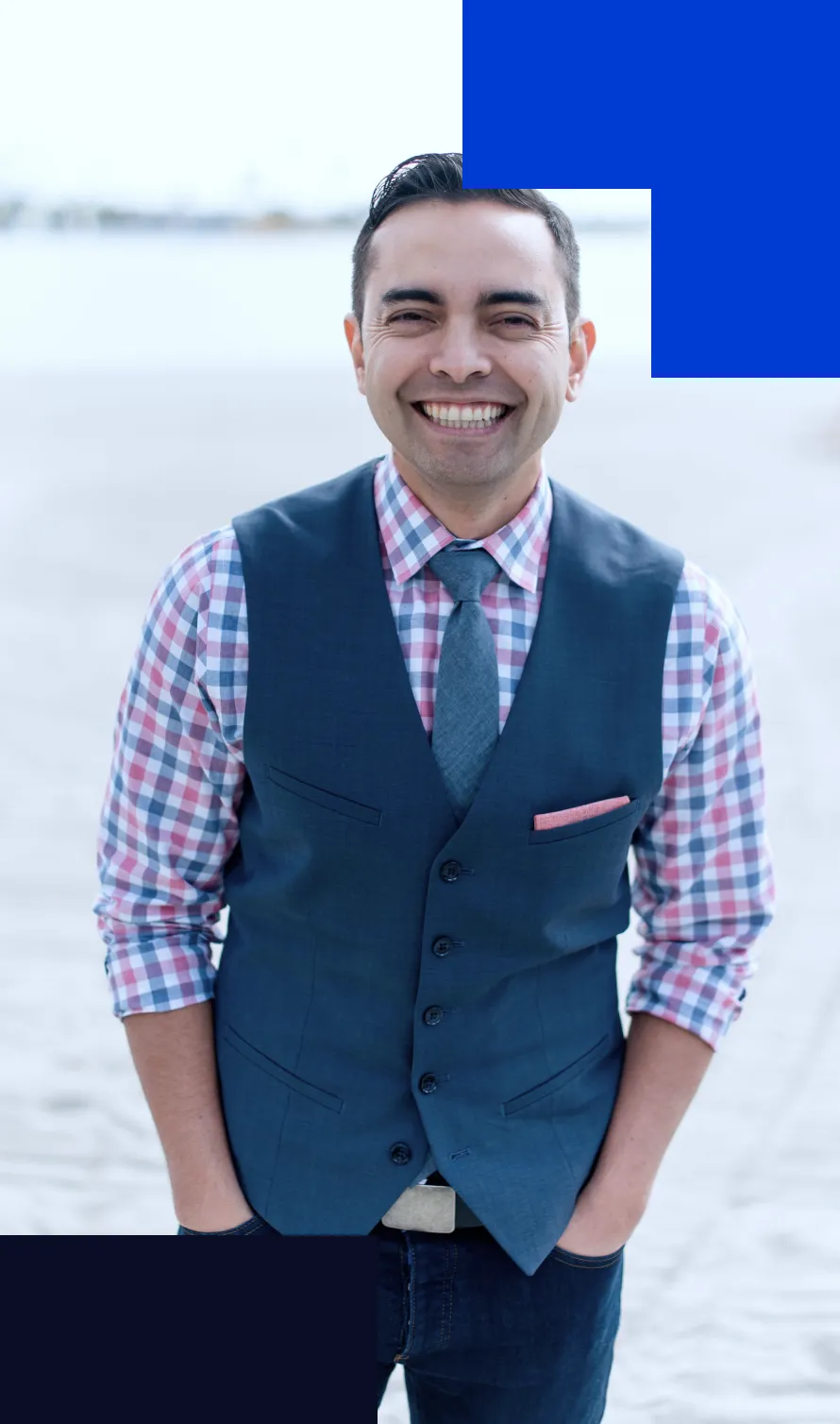
Pat Flynn is one of the clearest examples of a creator who built trust before trying to maximize attention.
His work spans YouTube, podcasts, books, courses, software, physical products, and affiliate education. The point is not that every YouTuber should build all of those things. The point is that the same audience relationship can support several carefully connected offers over time.
The short version
Pat’s public story follows a simple business sequence:
- A career disruption forced a new direction.
- He documented what he was learning in public.
- The content became a trusted resource for people facing similar problems.
- The audience expanded into books, courses, software, events, and products.
- Transparency became part of the business model, including clear affiliate disclosures.
That last point is especially relevant for Creator Almanack. Trust is not a marketing decoration; it is part of the product.
1. The starting point was a real problem
Pat’s official biography says he was laid off from his architecture job in 2008. He then started Smart Passive Income to help other creative and ambitious people answer the questions he had faced while building online businesses.
That origin gave the content a useful angle. He was not presenting himself as someone with a perfect theory. He was documenting experiments, lessons, and decisions as they developed.
For a YouTuber, this creates a powerful editorial position:
Teach from the edge of what you have learned, while being honest about what is still being tested.
That is often more believable than pretending to have mastered every part of business.
2. The media library became a trust engine
Pat’s public work includes a blog, YouTube videos, and the Smart Passive Income podcast. His About page says the podcast was created to share business strategies, income sources, and marketing lessons, and that it has been running since 2010.
The formats support one another:
- a video can explain the practical idea;
- a podcast can explore the story or trade-off;
- a written guide can become the durable reference;
- a newsletter can bring the next lesson back to the audience.
This is not content multiplication for its own sake. Each format gives the audience a different way to understand the same body of work.
3. Products grow out of the teaching relationship
Pat’s site lists books, courses, speaking, podcasts, and business projects. His About page also documents physical and software products, including SwitchPod and FuseBox.fm.
The useful pattern is adjacency. The products are not random merchandise attached to a personal brand. They relate to the problems his audience already wants solved: learning, publishing, podcasting, and building an online business.
For a smaller YouTuber, the first version can be much simpler:
- a video about starting a newsletter can lead to a setup checklist;
- a video about sponsorships can lead to a media-kit template;
- a video about editing can lead to a tested workflow and tool comparison;
- a video about a niche can lead to a small workshop.
The product should make the next step easier, not merely repeat the video.
4. Transparency protects the revenue model
Pat’s public site explicitly discloses affiliate compensation on book recommendations. That is a small but important detail: the audience is told when a commercial relationship exists.
For creators building affiliate income, transparency has two benefits:
- It protects the reader from assuming every link is neutral.
- It forces the creator to keep the recommendation useful enough to stand on its own.
Creator Almanack should follow the same standard. If a tool earns a commission, the article should say so. The recommendation should still explain who should skip the tool and what the trade-offs are.
What a smaller YouTuber can copy
1. Document a genuine learning journey
Choose a business problem you are actively solving and explain what changed after you tried something.
2. Build a reference library
Make the best answer available in one place, then link back to it from videos, emails, and related articles.
3. Add one owned channel
A simple newsletter is enough. The goal is to give the audience a reliable way to hear from you without depending entirely on the recommendation feed.
4. Disclose commercial relationships early
Do not wait until the site feels “big enough.” Clear disclosure is part of a trustworthy brand from the beginning.
What not to copy
- Do not call an untested experiment a proven system.
- Do not add affiliate links to every article.
- Do not launch books, courses, events, and software at the same time.
- Do not confuse personal transparency with sharing private details your family did not agree to share.
The Creator Almanack takeaway
Pat Flynn shows that a creator business can be built as a public learning relationship. When the audience trusts the process, books, courses, affiliates, products, and community can become different ways of helping the same person.
Sources and evidence
- Pat Flynn’s official About page — origin story, principles, podcast, and product projects.
- Pat Flynn’s official homepage — books, courses, and affiliate disclosure example.
- Pat Flynn’s YouTube page — current public video and channel positioning.
- Smart Passive Income — creator-business education and resources.
This article is an editorial case study. It contains no affiliate links.