How Colin & Samir Built a Business for Creators
Colin and Samir turned years of making YouTube videos into creator-economy media, education, partnerships, a newsletter, and a community.
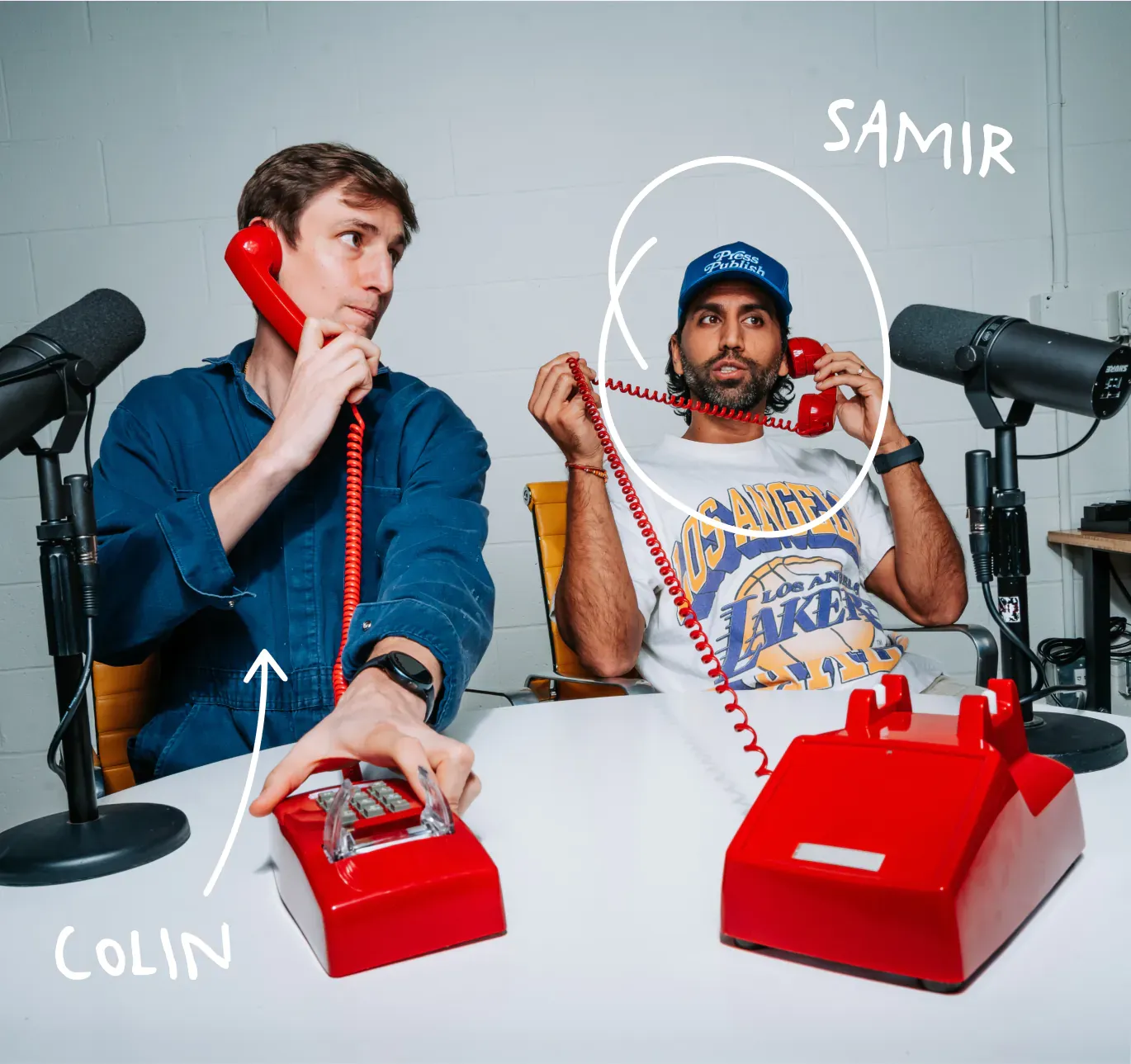
Colin & Samir are a useful case study because they did not stop at making videos about the creator economy. They turned their experience as creators into a business that helps other creators build, sell, and sustain their work.
Their model is especially relevant to YouTubers who want to serve a professional audience rather than depend only on entertainment views.
The short version
Their public site describes a path from:
- Making videos together for more than a decade.
- Building and selling their first YouTube channel.
- Interviewing and studying major creators.
- Turning those insights into education and creator support.
- Building a newsletter, Discord community, partnerships work, and creator products around the same audience.
The key move is going from “we make creator content” to “we help creators make better business decisions.”
1. Experience became a point of view
Colin & Samir’s official site says they break down the Creator Economy from a creator’s perspective. That qualifier matters.
They are not only reporting on a market from the outside. They have made videos, built a channel, sold a channel, interviewed large creators, and experienced the operating problems their audience faces.
That gives them a clear point of view. A new YouTuber can use the same principle by choosing a defined lens:
- the business of educational channels;
- the systems behind a one-person production team;
- the economics of sponsorships;
- the transition from expert to product creator.
Specific perspective is easier to remember than generic advice.
2. The audience is professional, not only curious
The site positions its tools and knowledge around sustainable creator businesses. It also lists offers for creators who want video ideas, a profitable channel, and brand partnerships.
That shifts the business model from pure media to media plus enablement. The audience is not only watching for entertainment; they are trying to make decisions.
Decision-making audiences are valuable because they need practical support:
- templates;
- research;
- training;
- communities;
- introductions and partnerships;
- tools that reduce the cost of making a mistake.
This is a strong affiliate environment, but only if the recommendation is tied to a real business decision.
3. Multiple formats create multiple entry points
Colin & Samir publish and distribute through shows, creator education, a newsletter called The Publish Press, and a Discord community. Each format plays a different role.
- Video creates discovery and personality.
- Interviews create depth and social proof.
- A newsletter creates a recurring editorial relationship.
- A community creates feedback and belonging.
- Products turn knowledge into a structured next step.
A small creator does not need all five. The lesson is to give each channel a job instead of opening accounts everywhere without a reason.
4. Partnerships are a business line, not just a sponsorship slot
The official site includes resources for professional creators who want to secure brand deals and build a partnerships business. That points to a more mature view of sponsorships.
A sponsorship is not only a 60-second insertion. It can become a relationship built around audience fit, creative collaboration, repeat campaigns, and a clear understanding of the creator’s value.
For a smaller YouTuber, the first step is not hiring a sales team. It is creating a simple record of:
- who the audience is;
- what the channel helps them do;
- which brands already fit the workflow;
- what a partnership could help the viewer accomplish.
That is enough to make a media kit more useful than a page of follower counts.
What a smaller YouTuber can copy
1. Choose a professional audience
Creators, founders, teachers, or hobbyists with a shared problem can be a more useful audience than “everyone interested in YouTube.”
2. Turn interviews into frameworks
Do not only repeat what a famous creator said. Compare several examples and explain the pattern a smaller creator can test.
3. Give the newsletter a clear editorial promise
“Creator news” is broad. “One useful business decision for a working YouTuber, three times a week” is easier to understand.
4. Build partnerships around audience fit
The best first sponsor is often the tool your viewers already need, not the brand offering the biggest short-term cheque.
What not to copy
- Do not build a community before members have a reason to return.
- Do not turn every creator interview into uncritical hero worship.
- Do not promise sponsorship access before you understand the audience and offer.
- Do not create a newsletter with no consistent point of view.
The Creator Almanack takeaway
Colin & Samir show how a creator can move from making content to building infrastructure for a category. The opportunity is not only to attract viewers; it is to become useful at the moment other creators make a business decision.
Sources and evidence
- Colin & Samir’s official website — background, creator-business positioning, products, newsletter, community, and partnerships.
- The Colin & Samir Show — official interview and creator-economy channel.
- The Publish Press — their creator-economy newsletter.
This article is an editorial case study. It contains no affiliate links.