YouTube Is Doubling the Monetization Bar in 2027. What Small Channels Should Do Now
From February 1, 2027, new YouTube Partner Program applicants need 8,000 watch hours or 20 million Shorts views. Here is what changes, who it hits, and a plan for the next 12 weeks.

If your channel is somewhere between 1,500 and 3,500 watch hours right now, the next 12 weeks matter more than usual.
On August 10, 2026, YouTube announced the first significant changes to its Partner Program (YPP) since 2018. From February 1, 2027, a channel applying for ad revenue sharing needs 8,000 qualified watch hours in the last 365 days, or 20 million qualified Shorts views in the last 90 days. Both numbers are double the current bar.
The short version for a small creator:
- If you can reach the current threshold before February 1, 2027, apply under the current rules.
- If you can’t, stop treating AdSense as the first income milestone. Fan funding, sponsorships, affiliates, and a small product don’t depend on the new bar.
- If you are already in YPP and lean on Shorts, read the Shorts section below. There is a second change that gets less attention.
What exactly is changing
Here is the comparison, based on YouTube’s announcement and its Partner Program help page, both checked on November 7, 2026.
| Until January 31, 2027 | From February 1, 2027 | |
|---|---|---|
| Subscribers | 1,000 | 1,000 (reported; see note) |
| Long-form path | 4,000 watch hours in 12 months | 8,000 watch hours in 365 days |
| Shorts path | 10 million Shorts views in 90 days | 20 million Shorts views in 90 days |
| Existing YPP members | — | Not affected by the new entry bar |
| Fan funding and shopping tier | Unchanged | Unchanged |
A note on subscribers: YouTube’s blog post doesn’t restate the subscriber requirement. Coverage of the announcement, including Shacknews, describes it as staying at 1,000. Check the Earn tab in YouTube Studio for the number that applies to your channel.
YouTube’s stated reasoning is that higher watch time leads to payouts worth having. Amjad Hanif, YouTube’s VP of Creator Product, told Social Media Today that the goal is meaningful income rather than “a few cents for that month.” Whatever you think of that argument, the practical effect is plain: a new channel now needs roughly twice the audience attention before YouTube shares ad revenue with it.
Who this actually hits
New channels and channels close to the line. If you were planning to hit 4,000 hours next spring, your target has moved. That is the group this change affects most.
Channels already in YPP: mostly not. YouTube says the new entry thresholds “won’t impact creators already in YPP.” Existing partners still need to review and accept the updated terms in YouTube Studio. The help page asks partners to do that by January 31, 2027 to keep monetizing fully. Put a reminder in your calendar now; it is a five-minute task that would be painful to miss.
Channels that want fan funding only. YouTube says the entry bar for fan funding and shopping features stays the same. Hanif described it to Social Media Today as 500 subscribers and 3,000 watch hours, or 3 million Shorts views in the last 90 days. That tier covers fan funding features such as channel memberships and Super Chat.
The Shorts change existing partners should not skip
The headline is about new applicants. The part that can affect current partners is buried lower in YouTube’s post.
From February 1, 2027, a channel needs 10 million qualified Shorts views over the last 90 days to share in ad and subscription revenue on Shorts. A channel below that level stays in YPP and keeps earning from long-form videos. Shorts revenue sharing turns back on automatically if the channel crosses 10 million views again.
For a mid-sized long-form channel that posts the occasional Short, Shorts revenue was probably small anyway. For a channel built mainly on Shorts with a few million views per quarter, this can remove most of its YouTube ad income. YouTube says creators below the threshold will get other options: bonuses tied to YouTube Shopping, incentives for brand deals, and “earnings boosts” for starting and growing trends. It hasn’t published the details yet. Plan as if those programmes don’t exist until they do.
What 8,000 hours means in views
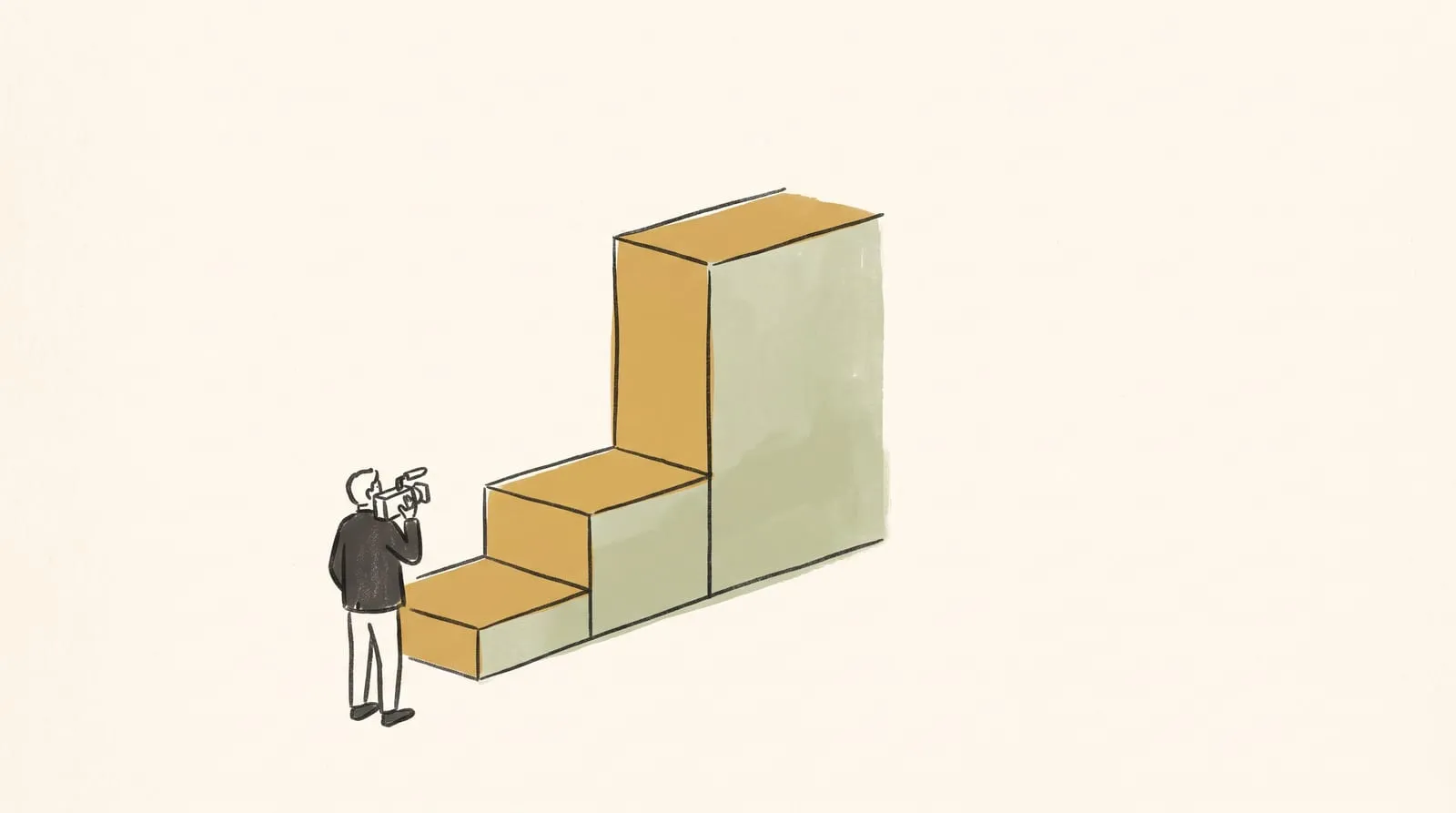
Watch hours are easier to plan when you turn them into views.
Watch hours = views × average view duration.
If your average view lasts 4 minutes:
- 4,000 hours ≈ 60,000 long-form views a year.
- 8,000 hours ≈ 120,000 long-form views a year, or about 10,000 a month.
If your average view lasts 8 minutes, the new bar is about 60,000 views a year instead.
This is why average view duration is the most useful number for a small channel to work on. Doubling views is hard. Making a video worth watching for 7 minutes instead of 4 is often more achievable, and it compounds across every video in the library.
These figures are illustrations. Shorts views don’t count toward long-form watch hours, and YouTube decides which hours are “qualified” (public videos, not counting deleted or unlisted ones). Use the Earn tab in YouTube Studio, not a calculator, for your real position.
Decision 1: Can you qualify before February 1?
Open YouTube Studio, go to Earn, and look at how far you are from the current bar. Then be honest about pace.
You are within reach if your trailing 12-month watch hours are roughly 3,000 or more and rising. In that case, the next 12 weeks are a sprint with a clear finish line:
- Update your best long-form videos. Find the five videos with the most watch time over the last 90 days. Improve titles and thumbnails, fix the first 30 seconds, and add end screens that point to the next most-watched video. These videos already earn hours; small gains there add up faster than new uploads.
- Make a playlist that runs for an hour. Group related videos in the order a new viewer should watch them. A viewer who watches three videos in a row counts for three times the hours of one who leaves after one.
- Publish follow-ups to what already works. A sequel or a deeper version of your best video reaches viewers who’ve already shown interest. This is not the moment for experiments.
- Apply the day you qualify. Don’t wait until late January. Review isn’t instant, and you want to be judged against the current rules.
One caution: don’t buy views, run view-exchange schemes, or push “watch to the end” requests unrelated to the content. YouTube counts only qualified watch time, and inflated numbers are a fast route to a rejected application.
You are not within reach if you’re below about 2,000 hours or growing slowly. Pushing for an arbitrary date will burn you out and probably fail. Move to Decision 2.
Decision 2: Build income that doesn’t wait for YPP
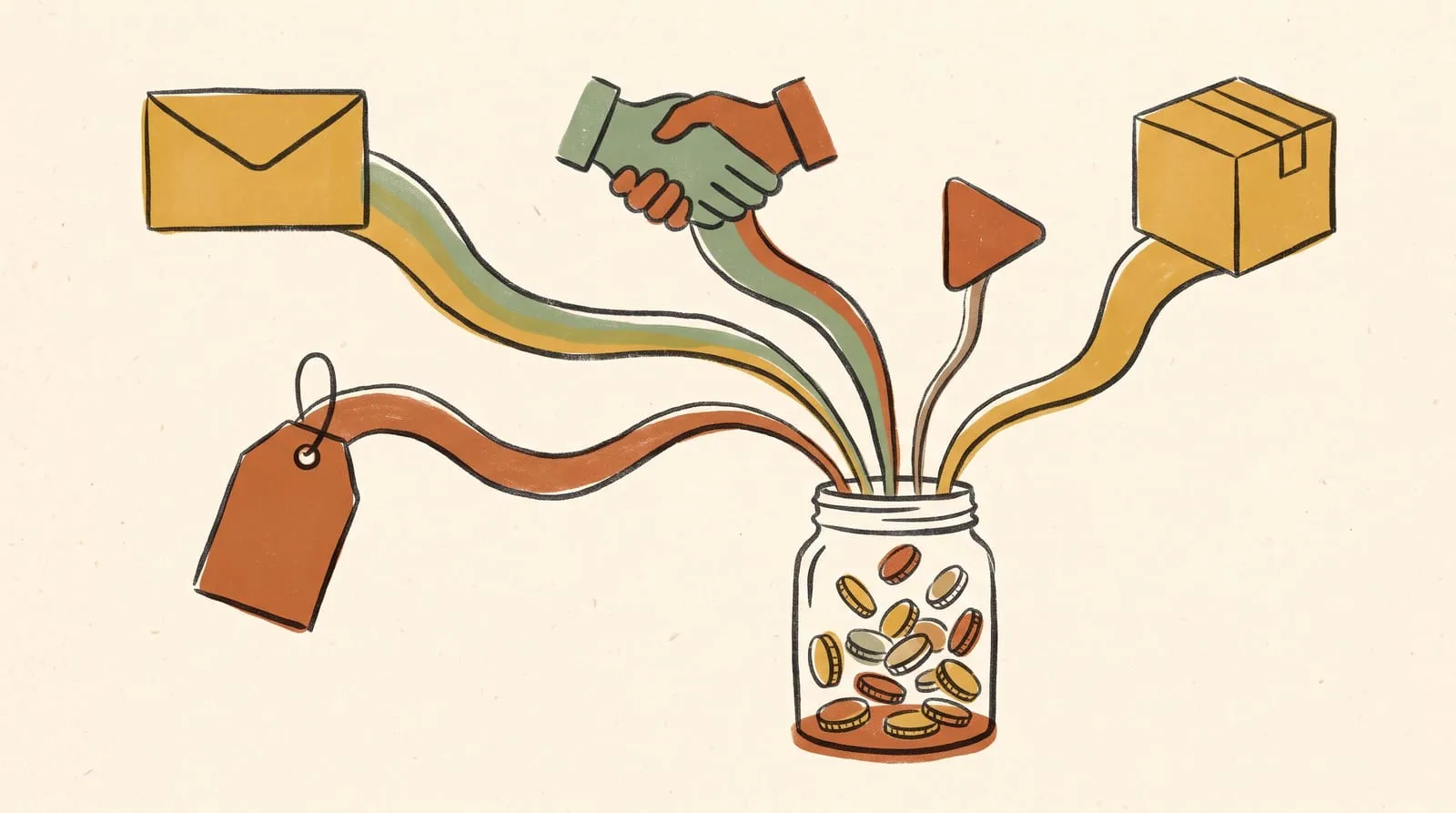
This is the more useful question for most small channels, and the change makes it urgent.
AdSense has always been the weakest income source for a small educational channel. It pays per view, and small channels don’t have many views. A channel with 1,500 engaged subscribers who trust your advice can often earn more from one well-matched offer than from a year of ad revenue. The new bar makes that trade-off easier to see.
Here are the options in the order we’d usually try them, with what each needs:
| Path | What you need | Depends on YPP? | First step this month |
|---|---|---|---|
| Email list | A free lead magnet and a signup page | No | Offer one checklist from your most popular video |
| Affiliate links | Products you already use and would recommend | No | Add honest links to the five videos with most watch time |
| Sponsorships | A clear audience and a one-page media kit | No | Write down who your audience is and what they buy |
| Small digital product | One repeated question your viewers ask | No | Collect the five questions you get most often |
| Memberships / Super Thanks | 500 subscribers + 3,000 hours (fan funding tier) | Fan funding tier only | Check eligibility in the Earn tab |
| Ad revenue | 8,000 hours or 20M Shorts views (from Feb 2027) | Yes | Track progress; don’t build the plan around it |
Start with an email list
If you only do one thing, do this. YouTube changing a rule once doesn’t mean it won’t change again. An email list is the one audience asset no platform can reprice.
You don’t need a big newsletter. You need a reason for a viewer to give you their email address: a checklist, a template, or a short guide that finishes what a video started. Put it in the description of your highest-traffic video and mention it in the video itself. We cover the full process in how to build an email list from YouTube.
Add affiliate links where they help
If your videos already explain how to use tools, books, or gear, affiliate links can earn from day one. Many affiliate programmes accept small creators; check each programme’s terms. Disclose them clearly, recommend only what you’d recommend without a commission, and put them on the videos with the most watch time first.
Price sponsorships on fit, not size
For many brands, who watches matters more than how many. A channel with 3,000 subscribers who all run small bakeries is worth more to an oven supplier than a general channel ten times its size. Our guide on pricing a sponsorship before you have a rate card walks through a starting price.
Build one small product
A single template, checklist, or short workshop that answers your viewers’ most repeated question can outperform ad revenue for a small channel. Keep the first one small; it is a test, not a business identity. See why your first digital product should remove one repeated question.
What not to do
- Don’t switch to Shorts to chase the faster bar. 20 million Shorts views in 90 days is now the alternative, and from February existing partners also need 10 million in 90 days to keep earning from Shorts. For a small educational channel, Shorts are better used for discovery than as the income plan.
- Don’t mass-produce videos to catch up. YouTube’s July 2026 clarification of its inauthentic content policy targets generic, repetitive, or template-based content, AI-made or not. Channels built on it can be removed from YPP. A sprint should mean better videos, not more filler.
- Don’t quit because the goalposts moved. The bar for earning from your audience directly hasn’t changed. Only YouTube’s share of its ad revenue got harder to reach.
- Don’t forget to accept the new terms. If you’re already in YPP, it’s the easiest thing on this list and the most expensive to forget.
Your next step
Open YouTube Studio today and check two numbers in the Earn tab: your watch hours for the last 12 months and how far you are from 4,000.
If you’re close, start the 12-week sprint above and apply the day you qualify. If you’re not, pick one income path from the table that doesn’t depend on YPP. For most educational channels, that should be an email list, because everything else on this list works better once you have one.
Sources and evidence
- YouTube Official Blog: New opportunities to earn and changes to the YouTube Partner Program (August 10, 2026). Primary source for the new thresholds, the Shorts revenue change, Premium Lite, and the treatment of existing partners.
- YouTube Help: YouTube Partner Program overview and eligibility (checked November 7, 2026). Current thresholds and the January 31, 2027 deadline to accept updated terms.
- Social Media Today: YouTube announces changes to creator monetization (August 10, 2026). Amjad Hanif’s comments and the fan funding tier figures.
- Shacknews: YouTube to raise Partner Program minimum watch hours and Shorts views (August 10, 2026). Reporting on the 1,000-subscriber requirement.
- TechCrunch: YouTube clarifies policies around AI slop and upsetting videos (July 20, 2026). The inauthentic content policy categories.
The watch-hour conversions are our own illustrations, not YouTube figures. This article contains no affiliate links.